Top Tips for Effective Garden Maintenance this Season
- Joshua Cole
- Dec 31, 2025
- 3 min read

Gardening is not just a hobby; it's a rewarding way to connect with nature and beautify your surroundings. As the seasons change, so do the needs of your garden. Whether you're a seasoned gardener or just starting, maintaining your garden effectively can make all the difference in its health and appearance. This post will provide you with essential tips for garden maintenance this season, ensuring your plants thrive and your outdoor space remains inviting.
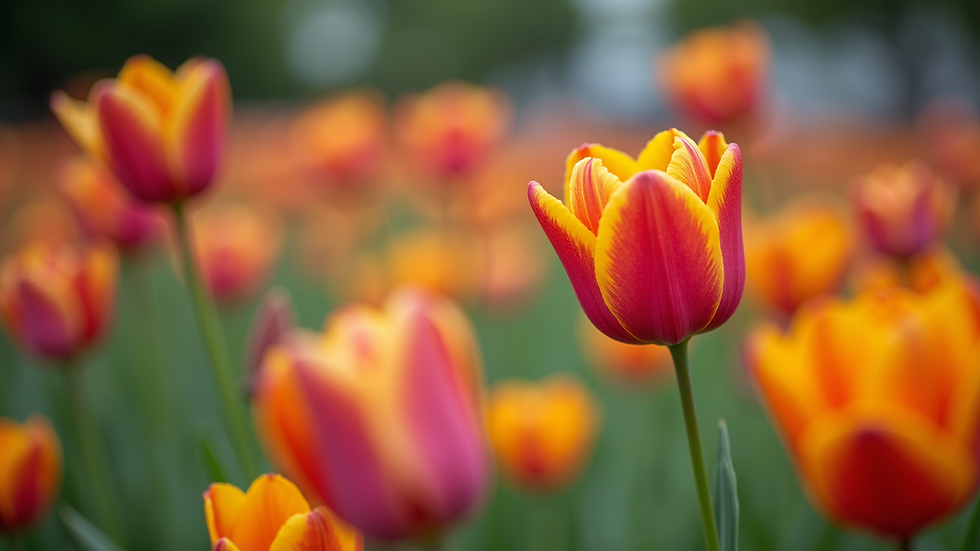
Understand Your Garden's Needs
Every garden is unique, and understanding its specific needs is crucial for effective maintenance. Here are some factors to consider:
Soil Quality
Healthy soil is the foundation of a thriving garden. Conduct a soil test to determine its pH and nutrient levels. You can improve soil quality by:
Adding organic matter such as compost or well-rotted manure.
Using mulch to retain moisture and suppress weeds.
Rotating crops to prevent nutrient depletion.
Plant Selection
Choose plants that are well-suited to your climate and soil conditions. Native plants often require less maintenance and are more resilient to local pests and diseases. Consider the following:
Perennials: These plants return year after year and can provide a stable foundation for your garden.
Annuals: While they need to be replanted each year, they can add vibrant color and variety.
Vegetables and Herbs: Growing your own food can be rewarding and cost-effective.
Create a Maintenance Schedule
A well-structured maintenance schedule can help you stay on top of your garden's needs. Here’s a simple framework to follow:
Weekly Tasks
Watering: Ensure your plants receive adequate moisture, especially during dry spells. Early morning is the best time to water.
Weeding: Regularly check for weeds, as they compete with your plants for nutrients and water.
Pest Inspection: Look for signs of pests or diseases and take action promptly.
Monthly Tasks
Fertilizing: Depending on the plants you have, apply fertilizer as needed to promote healthy growth.
Pruning: Trim back overgrown plants to encourage new growth and maintain shape.
Mulching: Replenish mulch to keep weeds at bay and retain soil moisture.
Seasonal Considerations
Each season brings its own set of tasks and challenges. Here’s how to adjust your maintenance routine accordingly:
Spring
Clean Up: Remove debris, dead leaves, and any winter protection from plants.
Planting: This is the ideal time to plant new flowers, vegetables, and herbs.
Mulching: Apply a fresh layer of mulch to suppress weeds and retain moisture.
Summer
Watering: Increase watering frequency during hot spells. Consider drip irrigation for efficiency.
Deadheading: Remove spent flowers to encourage more blooms.
Pest Control: Monitor for pests and diseases, and use organic solutions when possible.
Fall
Harvesting: Gather ripe fruits and vegetables before the first frost.
Planting Bulbs: Fall is the perfect time to plant spring-blooming bulbs like tulips and daffodils.
Preparing for Winter: Clean up garden beds and protect sensitive plants with mulch or covers.
Winter
Planning: Use this time to plan your garden for the next season. Research new plants and design layouts.
Maintenance: Check tools and equipment, and make necessary repairs or replacements.
Protecting Plants: Ensure that perennials are adequately mulched and consider wrapping tender plants.
Tools for Effective Maintenance
Having the right tools can make garden maintenance easier and more efficient. Here are some essentials:
Hand Tools: Trowels, pruners, and weeders are vital for small tasks.
Lawn Equipment: A reliable lawnmower and trimmer keep your grass looking neat.
Watering Tools: Invest in a good hose or irrigation system to ensure your plants receive adequate water.
Sustainable Practices
Incorporating sustainable practices into your garden maintenance can benefit the environment and your garden's health. Consider these tips:
Composting: Create a compost pile to recycle kitchen scraps and yard waste, enriching your soil naturally.
Natural Pest Control: Use beneficial insects like ladybugs and lacewings to control pests without chemicals.
Rainwater Harvesting: Collect rainwater in barrels to reduce water usage and provide your plants with natural hydration.
Troubleshooting Common Issues
Even with the best maintenance practices, issues can arise. Here’s how to troubleshoot common garden problems:
Pest Infestations
If you notice an increase in pests, identify them first. Use organic pesticides or introduce natural predators to manage the situation.
Plant Diseases
Look for signs of disease, such as yellowing leaves or wilting. Remove affected plants and improve air circulation to prevent the spread.
Poor Growth
If your plants are not thriving, check soil quality, watering habits, and sunlight exposure. Adjust as necessary to meet their needs.
Conclusion
Effective garden maintenance is an ongoing process that requires attention and care. By understanding your garden's needs, creating a maintenance schedule, and incorporating sustainable practices, you can enjoy a flourishing outdoor space. Remember, gardening is a journey, and each season brings new opportunities for growth and beauty. So grab your tools, get outside, and make the most of this gardening season!


Comments